
Svetlana Mastitskaya
Senior Lecturer & BHF Intermediate Basic Science Research Fellow
University of Bristol
Bio
I am a Senior Lecturer in Cardiovascular Regenerative Medicine, and British Heart Foundation Research Fellow at the University of Bristol. My research focuses on neural mechanisms of cardioprotection, the regulation of coronary microcirculation, and the functional interactions between the brain, the heart and the gut coordinated by the vagus nerve.
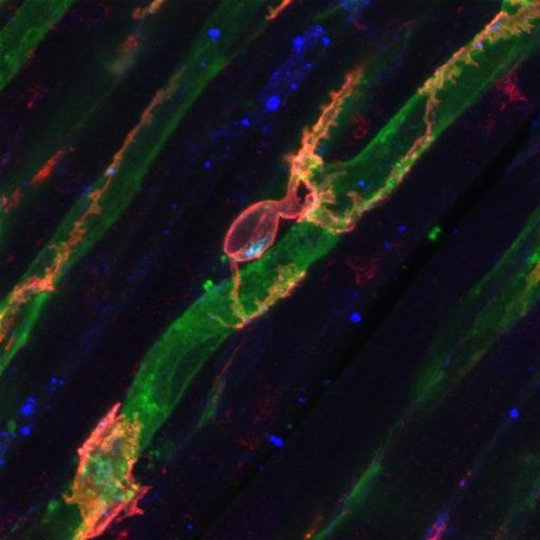
A key focus of my work is on pericytes - multifunctional contractile cells wrapped around coronary capillaries that are critically important for regulation of the microcirculation. After myocardial ischaemia, pericytes mediate no-reflow, a failure to reperfuse capillaries even after the upstream culprit artery is unblocked. My research aims to advance understanding of the physiological control of coronary blood flow and may offer therapeutic strategies for preventing the deleterious effects of ischaemia on the heart.
- Cardiovascular Neuroscience
- Coronary Microcirculation
- Autonomic Regulation
- Cardioprotection
PhD in Cell Biology, 2009
Belarusian Medical Academy for Post-Graduate Education
MSc in Immunology, 2003
International Sakharov Environmental University
Featured Publications
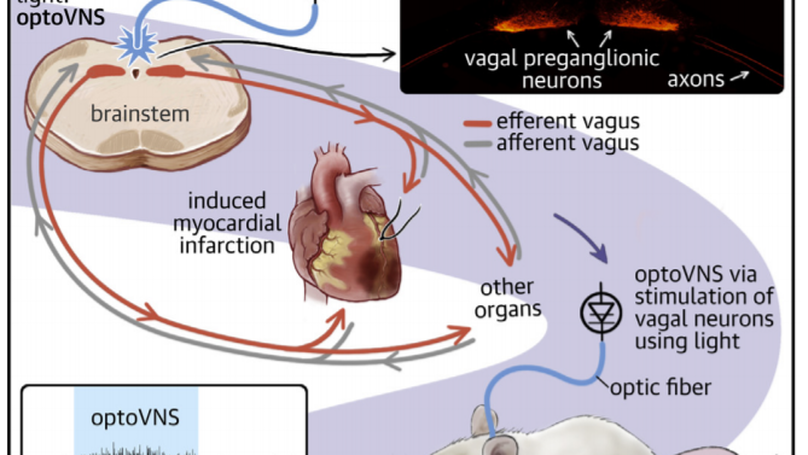
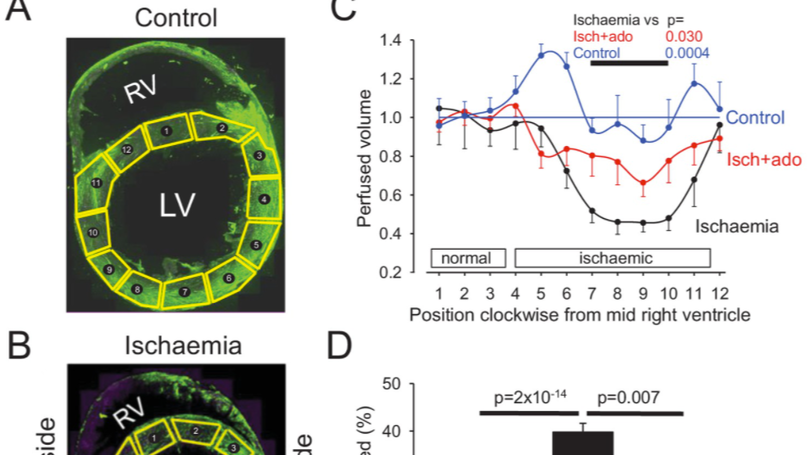
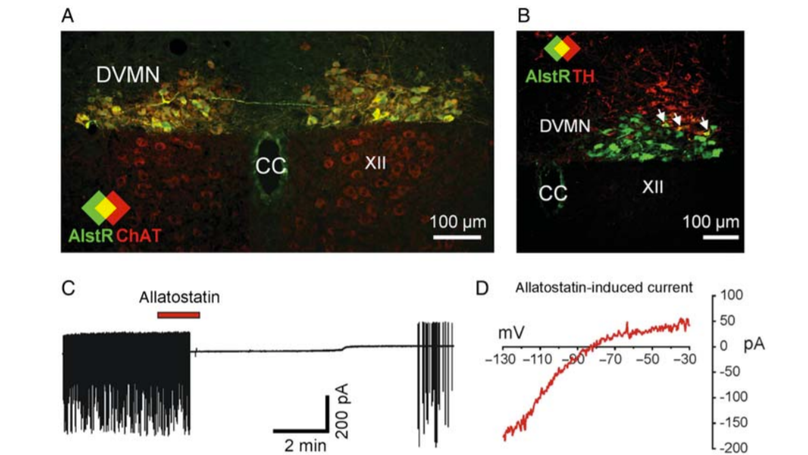
Coronary no-reflow, which impacts roughly half of patients following artery reopening for myocardial infarction, remains a major clinical challenge. Here we demonstrate that the incretin GLP-1 (glucagon-like peptide 1) can be used to protect the heart after ischemia by activating ATP-gated K+ channels on pericytes that constrict coronary capillaries. The mechanism involves vagal signaling from gut GLP-1 release triggered by skeletal muscle ischemia, establishing a brain-gut-heart signalling axis. These findings offer potential therapeutic approaches to enhance post-infarction outcomes by targeting pericyte-mediated coronary capillary constriction.
Other Publications
Projects

Grants & Awards
Invited Talks
Contact
- svetlana.mastitskaya@bristol.ac.uk
- Level 7, Bristol Royal Infirmary, Marlborough Street, Bristol, BS2 8HW